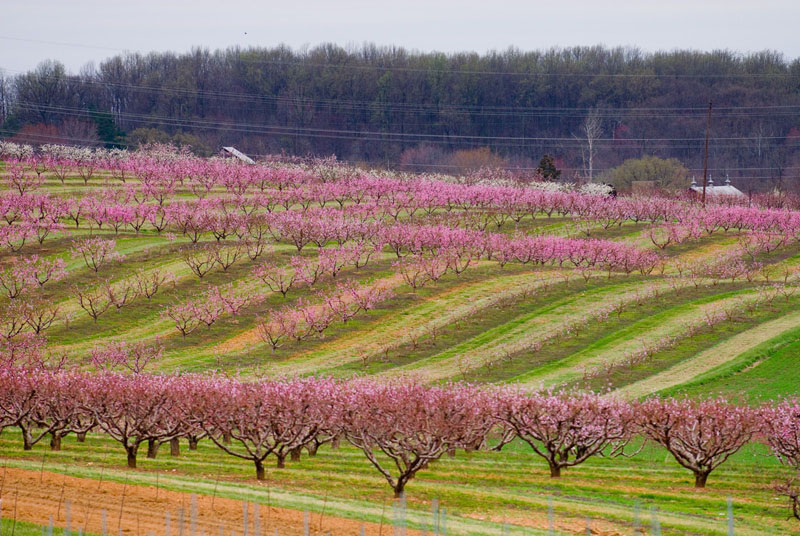
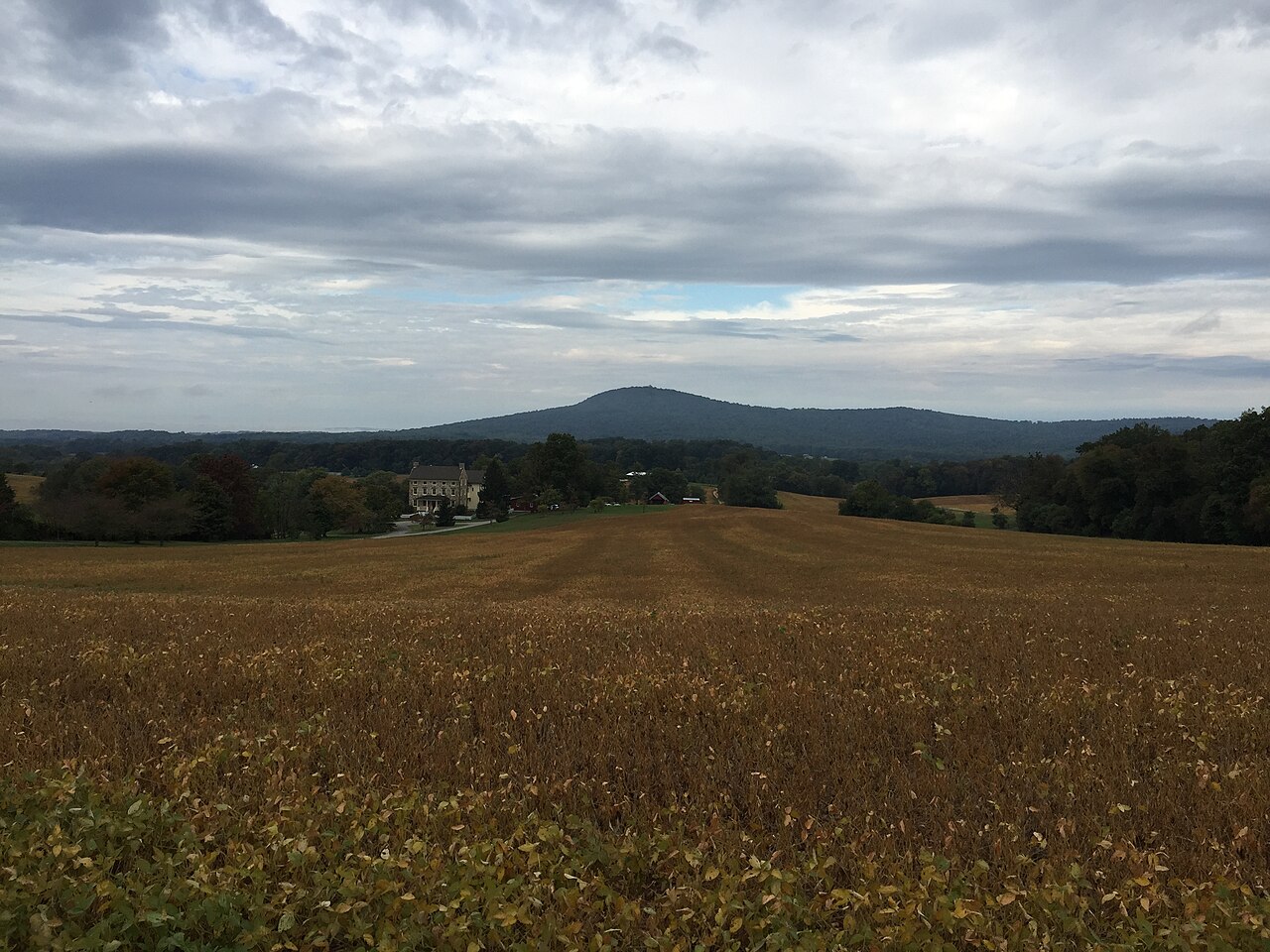
Transfer of development rights, or TDR, lets the owner of land where building is to be limited sell the unused right to build to a developer elsewhere, who uses it to build more than the base zoning allows. The area that gives up rights is the "sending" zone, typically farmland, a historic site or land needed for a road or park. The area that takes them is the "receiving" zone, usually an urban district with the infrastructure for higher density.
Montgomery County's planners describe it as a form of clustering in which the sending and receiving areas "are not contiguous, and they are not necessarily under the same ownership". It takes two steps: designating sending areas, where rights are created and can be sold, and receiving areas "where the land and public services are capable of absorbing additional density". Some programmes run a TDR bank that buys and holds rights until a project needs them. More than 200 US communities have TDR programmes, according to The TDR Handbook (2011).
The idea grew out of New York's zoning. The 1916 Zoning Resolution was the first citywide zoning code in the United States, and the 1961 resolution introduced floor area ratio, the measure of floor space that TDR moves around. In 1968 the city's Landmarks Preservation Commission rejected plans for an office tower over Grand Central Terminal and offered the owner, Penn Central, the right to transfer the unused air rights instead. Penn Central said this was not just compensation. On June 26, 1978, in Penn Central Transportation Co. v. New York City, the US Supreme Court ruled 6-3 for the city.
The tool has three main attractions. Owners whose land is restricted are compensated by private buyers, not the public purse. Growth is steered to places with transport and services. And it can protect landmarks and open land without public purchase.
It also has limits. Owners may consider it inadequate compensation, as Penn Central did. Its success depends on demand in the receiving areas, and prices can swing sharply. Valuing rights is contested: in a case over One Vanderbilt, beside Grand Central, the owner of the land under the terminal valued its air rights at up to USD 600 per sq ft and sued the city and developer SL Green for USD 1.1 billion in 2015; he dropped the suit in 2016. Planners also warn that rights concentrated in one place can overload streets and services.
Sources: Montgomery Planning - Wikipedia, citing The TDR Handbook - 1916 Zoning Resolution - Justia, 438 U.S. 104 - One Vanderbilt
Pros And Cons, With Evidence
Private money. Montgomery landowners received USD 117 million from buyers of their rights.
Scale. King County, Washington, says its programme has protected more than 148,000 acres since 1998.
Not enough alone. Montgomery added public easement programmes in 1987 and later.
Volatile prices. Mumbai slum TDR in Mulund rose from Rs 3,500 to Rs 6,000 per sq ft in six months in 2024.
Montgomery County - King County - NAREDCO (Hindustan Times)
For Discussion
1. Which land in your city should give up building rights, and which streets could take the extra floors? 2. Should a city cap how much transferred floor space one plot can absorb?