
A midday account, with the conference still negotiating
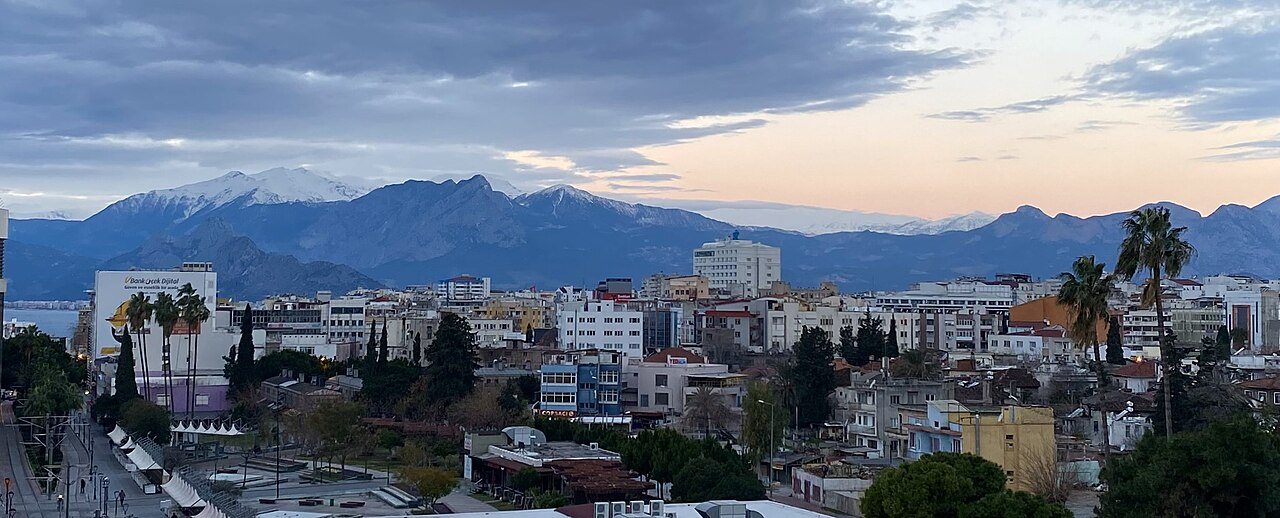
ANTALYA: COP31 is still working towards its scheduled 20 November conclusion. This Wednesday briefing is checked at 12:34 local time, bringing together reporting on Tuesday’s negotiations, fresh island-country coverage and the verified programme ahead. It is not a final account of Wednesday.
The official high-level-segment note schedules national and group statements to continue on 18 November. Those speeches can signal political priorities, but a place on the programme is not evidence that a statement has been delivered or that parties have reached agreement.
Sources: UNFCCC conference hub ↗ · UNFCCC Wednesday high-level-segment note, 17 November ↗
Tuesday exposed the limits of the technical handover
IISD’s report on 17 November describes long consultations across several negotiating tracks and pressure to finish technical work so ministers and the presidency could address political questions. Its account records continued differences over the proposed cover decision.
The distinction between a handover and a breakthrough remains important. Moving an issue to ministerial consultations changes who must try to resolve it; it does not settle the issue. The report’s assessment belongs to Tuesday’s proceedings and should not be presented as an adopted Wednesday outcome.
Sources: IISD daily report for 17 November ↗
A draft remains a draft
The presidency’s explanation accompanying the first cover text says it reflects the breadth of views, not a consensus. It also makes clear that provisions remain open, including whether they should appear at all.
That caveat matters as readers follow claims about energy transition or climate finance. Proposed language can change or disappear before adoption. The presence of an idea in a negotiating document is not a new obligation, a disbursement or a programme that applicants can already access.
Sources: UNFCCC presidency note on the first draft, 16 November ↗
Island representatives keep the focus on lived impacts
AP’s Wednesday reporting describes small-island representatives pressing larger emitters for stronger action and support for adaptation and recovery. Their demands highlight the gap between negotiating language and protection against climate impacts; they are not new funding awards.
Sources: Associated Press, 18 November ↗
Adaptation needs and cooling finance on the programme
The joint UNEP–UNFCCC event scheduled for 12:30–14:00 examines findings from the Adaptation Gap Report released on 4 November. Its event page cites estimated developing-country adaptation needs of US$305 billion a year by 2035. That is a needs estimate, not money pledged at today’s session.
For the evening, the dedicated UNEP event page lists 17:30–19:00 for clean energy and sustainable cooling. It describes finance barriers and the role of pilot projects in demonstrating investable solutions. The programme gives readers a discussion to follow; it does not confirm that a new grant facility or application window has opened.
Sources: UNEP Adaptation Gap Report event details ↗ · UNEP clean-energy and sustainable-cooling event details ↗

EDITORIAL ANALYSIS
The practical test is what can be delivered
For people planning cities and infrastructure, the useful test is whether political progress produces something that can be implemented: a clear responsibility, a financing route, an eligible activity or a measurable delivery plan. A target alone is not enough to design a local project around.
The next check should look beyond a launch or a speech to the underlying terms. Who can access support? What costs are covered? What evidence is required, and when does delivery begin? Keeping those questions separate from the negotiations helps readers recognise usable opportunities without overstating what the conference has agreed.
This article is an original summary of the linked sources, with editorial analysis labelled separately. Photographs are credited and dated in their captions.
Back to the COP31 daily desk →