
A new text changes the focus of the talks
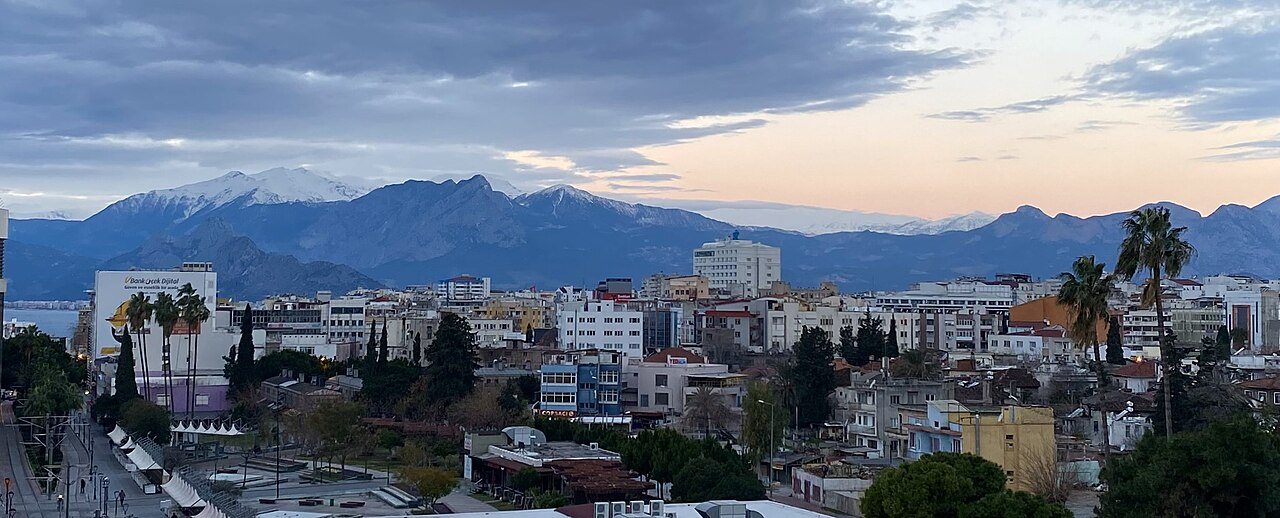
ANTALYA: COP31 enters Tuesday with a first cover-decision draft on the table following Monday’s publication. The document gives negotiators language to work through; it does not show that a final settlement has been reached. This report is checked at 10:07 local time and is not an end-of-day account.
The conference remains scheduled through Friday, 20 November. UNFCCC’s latest high-level-segment note places the resumed national and group statements on 17–18 November. Neither a speaking programme nor the scheduled closing date proves that a negotiated outcome has been delivered.
Sources: UNFCCC conference dates ↗ · UNFCCC resumed high-level segment note, 16 November ↗
What Monday’s cover draft does, and does not, say
The unedited 18-page text includes language on moving away from fossil fuels and on phasing them out. It also includes a proposed electricity share of 35% of global final energy consumption by 2035. These are draft provisions, not new obligations agreed at COP31.
The presidency’s accompanying explanation is especially important. It says this first iteration gathers the breadth of parties’ views rather than a consensus. Proposals can still be removed, and the absence of a bracket or an explicit option to delete wording should not be read as agreement.
Sources: UNFCCC first cover-decision draft, 16 November ↗ · UNFCCC presidency explanatory note, 16 November ↗
The divide is about both action and support
IISD’s account of Monday’s consultations records objections from the Arab Group and Russia to energy-specific language and the proposed electrification target. Least developed countries pressed for a stronger response to the adaptation-finance gap, simpler access and concessional support.
Those positions show why a single headline about the energy transition cannot capture the negotiation. Choices about implementation, national circumstances and financial support remain linked. The source describes proposals and disagreements, not a settlement reached on Tuesday.
Sources: IISD daily report for 16 November ↗
An AI announcement sits alongside the formal negotiations
Reuters reports that Türkiye launched a voluntary AI pledge on Monday, seeking more sustainable development and use of the technology. The announcement comes amid concerns about data centres’ electricity, water, land and other resource demands.
That distinction matters for urban and infrastructure professionals: an initiative can influence practice without becoming an agreed COP decision. The pledge should be assessed on its own terms and implementation arrangements, rather than being presented as part of an adopted conference agreement.
Sources: Reuters, 16 November, republished by Internazionale ↗
Tuesday’s sessions to watch
The official programme schedules a high-level ministerial round table on pre-2030 ambition from 15:00 to 18:00. UNEP also lists sessions on nature-based infrastructure and non-economic losses. The selected agenda below uses Antalya time, UTC+3.
SEforALL’s programme schedules the CLEAR Fund model launch with Italy for 17:30–19:00 at the Italy Pavilion. At this morning’s cutoff it remains a planned event. This briefing does not claim a completed launch, a new funding amount or an application route.
Sources: UNFCCC ministerial round-table information note ↗ · UNEP programme ↗ · SEforALL programme ↗

EDITORIAL ANALYSIS
From a negotiating signal to an actionable opportunity
For planners, researchers and sustainability teams, the next useful step is to separate political language from delivery. Ask whether a statement creates a funded programme, identifies eligible recipients, assigns responsibilities or sets a measurable timetable. A mention in draft text answers none of those questions on its own.
The same discipline applies to Tuesday’s announcements. Follow the underlying documents after an event before treating it as a grant opportunity or a change in obligations. Later developments will be assessed in subsequent briefings; this article retains its morning cutoff.
This article is an original summary of the linked sources, with editorial analysis labelled separately. Photographs are credited and dated in their captions.
Back to the COP31 daily desk →