
Monday begins with the decisions still ahead
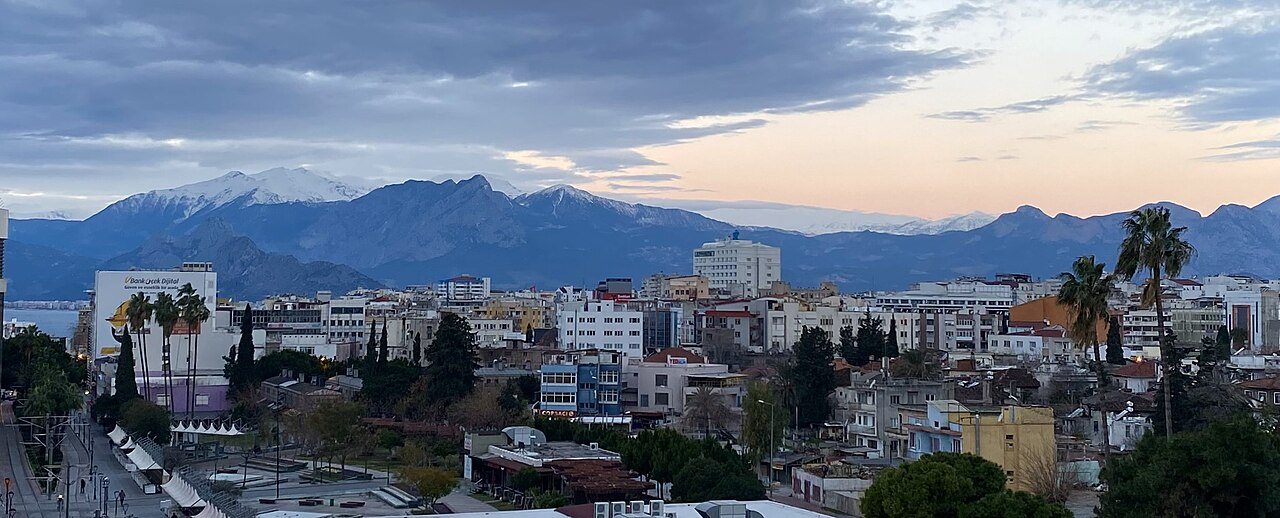
ANTALYA: COP31 resumes its scheduled programme on Monday, 16 November, after Sunday’s Blue Zone closure. The conference remains scheduled through 20 November. This is a morning account checked at 07:55 local time, not a final assessment of the day.
No new adopted outcome was verified in this review. The immediate picture is one of negotiations continuing and sessions still to take place. UNFCCC’s updated programme places the resumed high-level segment on 17–18 November, when eligible national and group representatives are scheduled to deliver statements.
Sources: UNFCCC conference hub ↗ · UNFCCC resumed high-level segment programme, 14 November ↗
The weekend handover sets up the political week
IISD’s bulletin published on Monday describes Saturday’s proceedings and the early-Sunday close. It reports four strands of continuing work: ministerial engagement, presidency consultations, ministerial discussions of political questions and technical negotiations that can incorporate political direction.
The announced ministerial topics include mitigation, climate finance, adaptation and just transition. That allocation of work describes a process for resolving differences; it does not show that those differences have been settled. The report is useful context for Monday, with its coverage period kept explicit.
Sources: IISD Earth Negotiations Bulletin, 16 November; coverage of 14–15 November ↗
What the cover note actually establishes
The presidency’s reflections document, dated 13 November, is an informal account of views raised during consultations. It says it neither establishes consensus nor measures how widely individual positions are supported.
Its contents include proposals on electrification, fossil-fuel transition, finance and climate science. Those ideas should be read as negotiating material. Monday reporting from EL PAÍS likewise frames energy-transition language and scientific support as contested questions for the coming talks, rather than completed agreements.
Sources: UNFCCC presidency reflections, 13 November ↗ · EL PAÍS, 16 November ↗
A practical programme for cities and resilience
For city practitioners, Monday’s UNEP schedule offers a local-adaptation discussion in the morning, an afternoon masterclass on AI for water–energy–food systems and an evening cooling ministerial. The agenda below gives the checked times in Antalya, UTC+3.
These sessions offer places to follow implementation discussions. Their appearance in a programme does not confirm attendance, new finance or an adopted outcome. Organiser updates remain the reference for last-minute changes.
Electrification and finance: keep the categories clear
SEforALL describes the presidency’s pledge for electricity to provide 35% of global final energy consumption by 2035, alongside efficiency and cleaner supply. Its programme also schedules a CLEAR Fund launch with Italy for 17 November to support access to climate finance through carbon markets.
The distinction matters: a voluntary target, a planned launch and a negotiated decision carry different implications. This briefing does not treat the scheduled fund launch as completed or attach an unverified funding amount to it.
Sources: SEforALL COP31 programme ↗

EDITORIAL ANALYSIS
What to look for beyond the headline
The useful question for planners and sustainability professionals is what becomes actionable. Look for who can apply, which activities qualify, how support reaches local institutions and what implementation responsibilities are assigned. A broad political signal cannot answer all of those questions.
The next update should test announcements against their underlying documents and distinguish changes in negotiating language from agreed obligations. Until then, this morning briefing keeps earlier reporting dated and the day’s programme in the future tense.
This article is an original summary of the linked sources, with editorial analysis labelled separately. Photographs are credited and dated in their captions.
Back to the COP31 daily desk →