
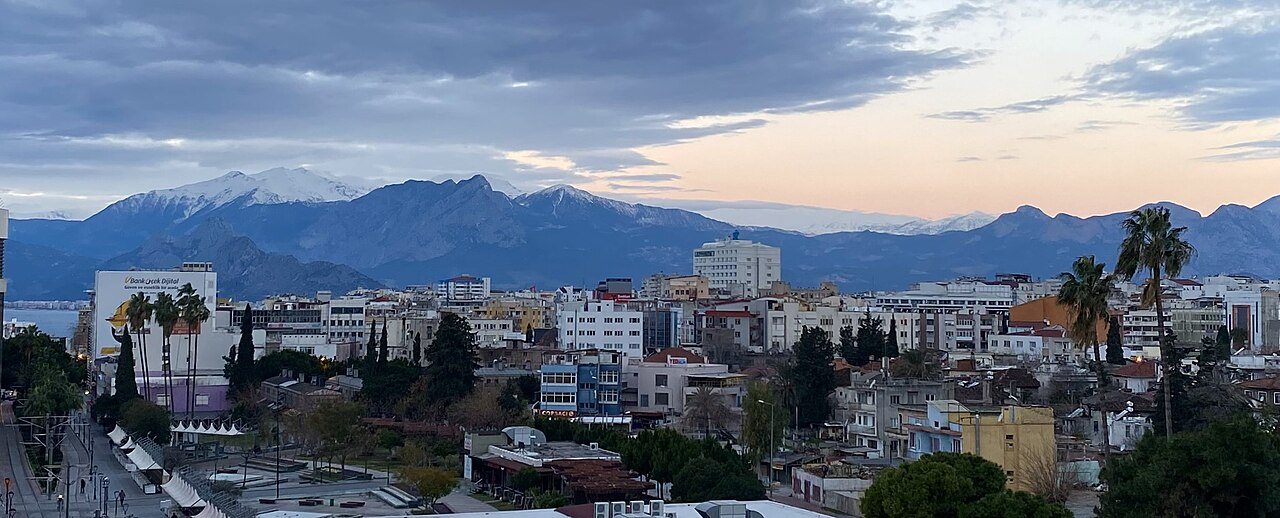
A scheduled pause, with the conference continuing
ANTALYA: The COP31 venue is closed on Sunday, 15 November, according to UNFCCC’s conference notice. Registration is also closed and there are no activities in the Blue Zone. The notice says activity returns on Monday, 16 November.
That operational pause matters for readers following a daily feed: it should not be mistaken for the conclusion of the conference. This edition brings together verified developments from the close of the technical sessions and the programme ahead, rather than presenting scheduled Sunday meetings as completed events.
Sources: UNFCCC venue notice, 14 November ↗
The technical close is a handover, not a final deal
IISD’s coverage of 14 November reports that the two subsidiary bodies concluded their work early on Sunday morning. Their closing sessions completed some items and sent others to the conference’s governing bodies for further negotiation. Some questions will return to future subsidiary-body sessions.
The report identifies adaptation communications, developing-country reporting support and gender among the areas where work was completed at this session. Those limited conclusions should be distinguished from a comprehensive settlement of the conference’s wider political questions. The second week still has substantive work to do.
Sources: IISD Saturday coverage, including the early-Sunday close ↗
Fossil-fuel transition efforts continue outside a final settlement
AP reports on 15 November that a fossil-fuel transition coalition is preparing national plans despite Colombia’s withdrawal. It also describes proposals in an outline of a possible conference agreement. These are not adopted COP31 decisions.
Sources: Associated Press, 15 November ↗
What the official programme says comes next
UNFCCC’s updated note schedules the resumed high-level segment for 17 and 18 November. It provides an opportunity for national or group statements from representatives whose parties did not speak during the first segment.
For Monday, UNEP lists sessions on locally led adaptation, AI for water–energy–food systems and a cooling ministerial. The selected times appear in the daily desk’s agenda in Antalya time, UTC+3. They are planned activities, not evidence of attendance, new funding or agreement.
Sources: UNFCCC updated high-level segment note ↗ · UNEP events programme ↗

EDITORIAL ANALYSIS
The questions city professionals can carry into week two
For people working on cities, transport and resilience, the practical test is whether political progress produces usable support: accessible finance, delivery responsibilities, technical assistance and clear conditions.
Announcements, national statements and negotiated texts answer different questions. Following each on its own terms helps readers identify an actionable opportunity without mistaking a discussion for a commitment. The source-check time above marks the cutoff for this article; later developments will be assessed in subsequent briefings.
This article is an original summary of the linked sources, with editorial analysis labelled separately. Photographs are credited and dated in their captions.
Back to the COP31 daily desk →