

Beyond the headline finance figure
ANTALYA: Climate finance is being tested on how it reaches countries, as well as on its scale. In remarks delivered on 13 November, UN climate chief Simon Stiell urged ministers to address affordability, simplify access and strengthen the domestic institutions that fund development.
His speech emphasised the importance of grants and highly concessional support for vulnerable economies, alongside private capital, loans and guarantees. It also called for action on debt pressures that can crowd out resilience investment. These are proposals about delivery, rather than evidence of a newly adopted funding settlement. This round-up covers sources checked before the time shown above; Saturday’s proceedings are still developing.
Adaptation and technology talks expose the same divide
IISD’s account of Friday’s negotiations describes disagreements over how National Adaptation Plan texts should address finance. Questions included the balance of public and private support, guidance to climate funds and the assessment of existing finance flows.
Technology discussions also raised concerns about continuity of support as newer arrangements develop. With the subsidiary bodies scheduled to conclude their work on Saturday, negotiators faced pressure to complete technical discussions or identify what should move forward. The coverage records contested issues, not a final settlement of them.
Clean electricity as an industrial development question
A separate SEforALL report published on 13 November describes an Africa–Europe roundtable on green industrialization. Participants connected energy access and security with investment, technology cooperation and productive economic activity.
The discussion puts livelihoods and industrial supply chains alongside the power-sector debate. For readers tracking implementation, the next distinction is between a shared priority and an identifiable project with financing, delivery responsibilities and a timetable. The roundtable report alone does not establish that an investment package has been secured.
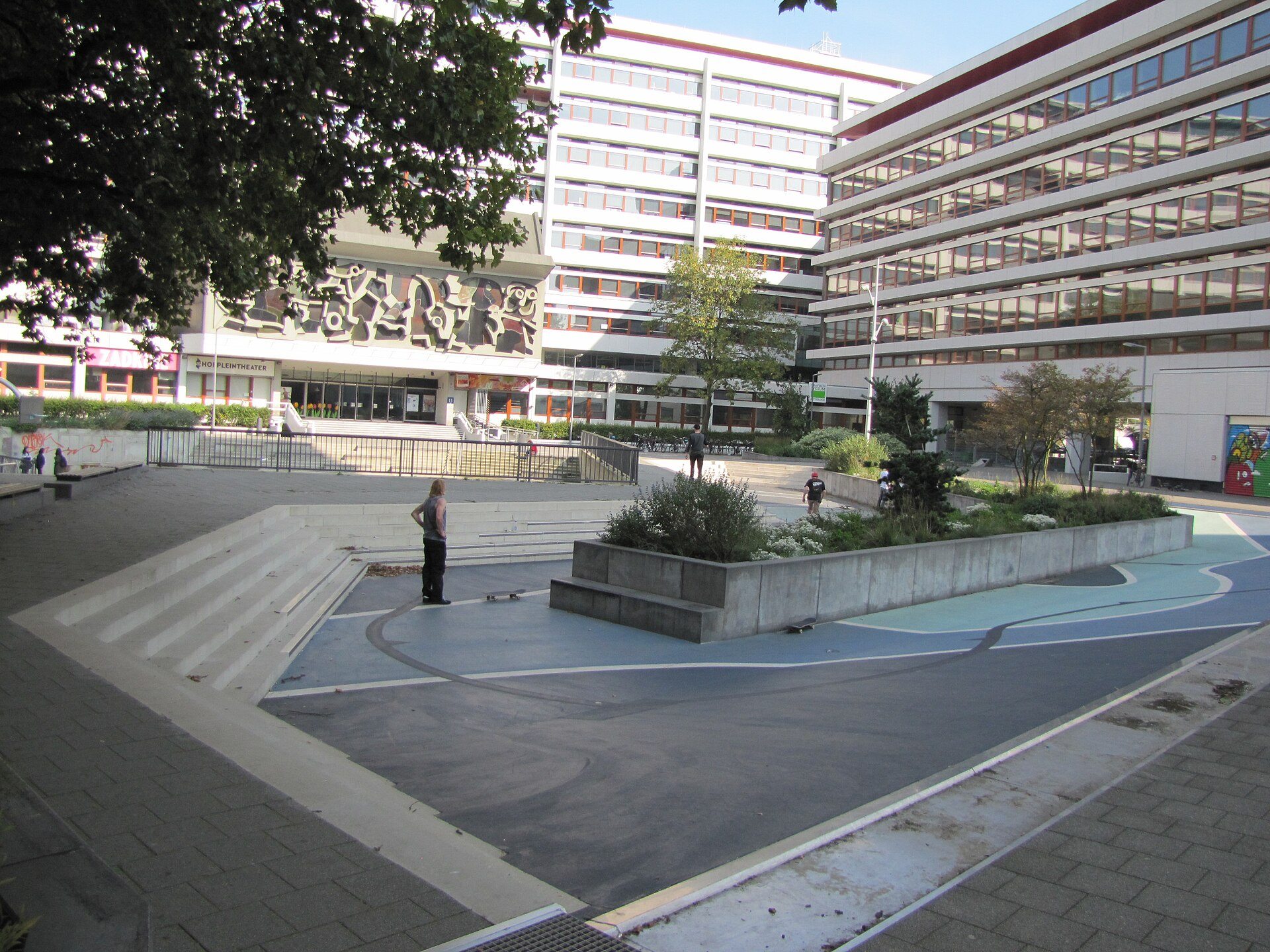

Saturday’s practical agenda for cities
UNEP’s programme lists discussions today on circular food systems, sustainable procurement and green finance, and results-based forest finance. The sessions begin at 13:15, 15:00 and 17:00 respectively, in Antalya time, UTC+3. Their inclusion in a programme does not establish their outcomes.
These subjects offer practical routes into the talks for professionals working on public purchasing, waste systems, food supply chains and land management.
Sources: UNEP COP31 events programme ↗
EDITORIAL ANALYSIS
What to look for in the second week
For cities and practitioners, an actionable finance announcement needs more than a total. Useful details include who is eligible, whether support is a grant or debt, how proposals are assessed and when resources become available.
The next briefings will follow published texts and verified developments, keeping political statements, negotiations and project announcements distinct. That makes it easier to identify where a promising discussion has become something a public agency or community can use.
This article is an original summary of the linked sources, with editorial analysis labelled separately. Photographs are credited and dated in their captions.
Back to the COP31 daily desk →