

A political programme, with negotiations still to follow
ANTALYA: COP31’s third scheduled day brings the leaders’ summit into the foreground. The UNFCCC programme places national statements and high-level events across 11 and 12 November, giving governments a platform to set out their priorities while the wider conference continues.
For readers following the talks, the distinction matters: a statement by a leader is a political signal, while a negotiated decision needs its own agreed text. The programme establishes what is scheduled, not what has been delivered or agreed. This briefing draws on the sources available at the check time shown above, rather than presenting an unfinished day as a final account.
Sources: UNFCCC leaders’ summit programme ↗
Electrification moves from ambition to implementation
A report launched on 10 November by Sustainable Energy for All and the Australian government, with the COP31 presidencies, sets out opportunities to electrify transport, buildings and industry in emerging markets and developing economies. It supports an ambition for electricity to provide 35% of global final energy consumption by 2035.
The report links that ambition to electricity access, switching away from other fuels and new demand as economies grow. Planning, finance, clean generation and stronger grids are part of the implementation challenge. The initiative is an announcement, not evidence that countries have adopted a new binding COP decision.
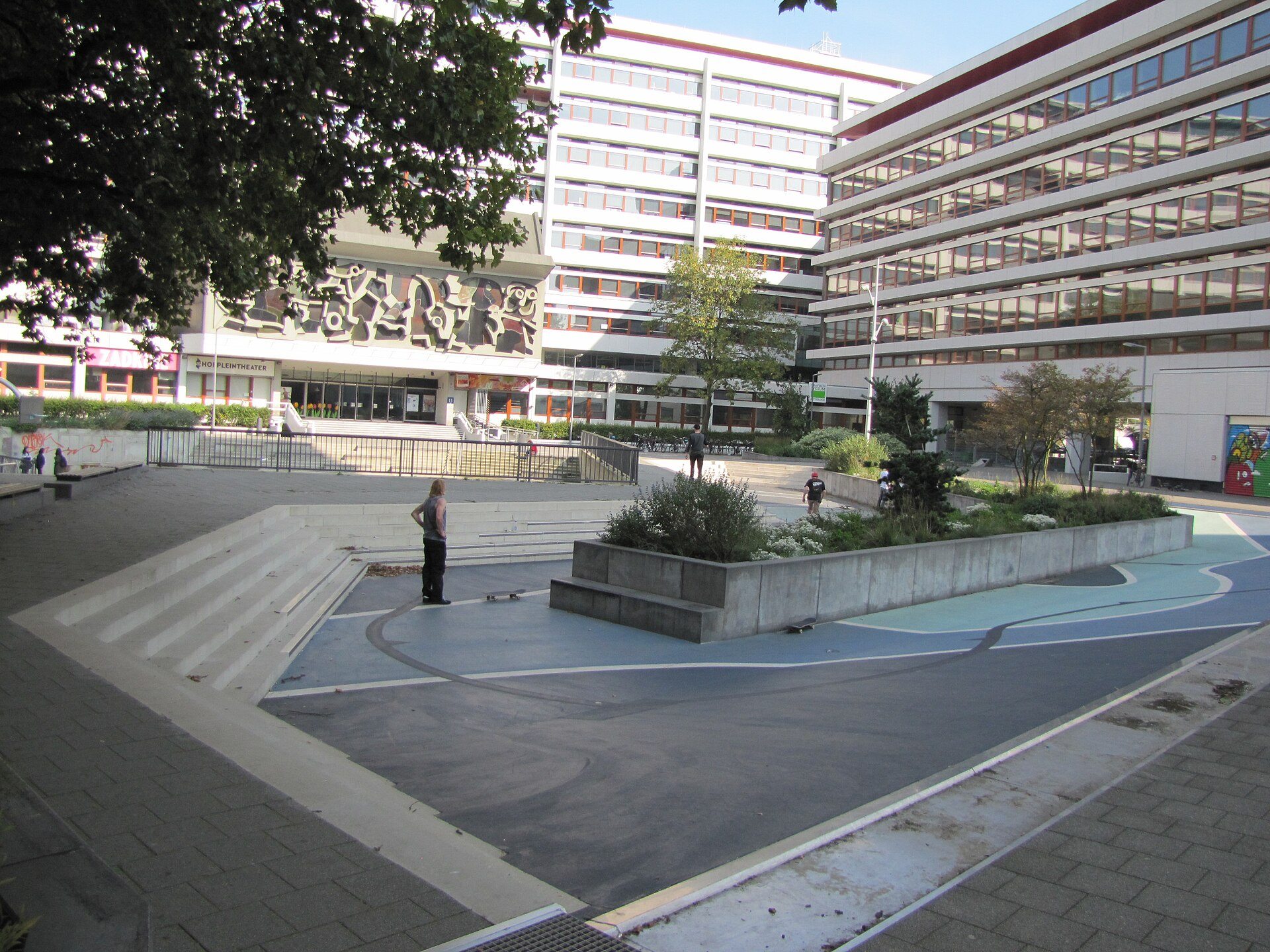

The urban agenda: waste, buildings and resilience
UNEP’s published programme gives cities a substantial place in the talks. Its 11 November listings include food-waste action and a methane ministerial. The following day’s agenda includes city and water resilience and a buildings ministerial. These are scheduled sessions; this source check does not establish their outcomes.
A dedicated pavilion running through 19 November connects resilient cities, buildings and cooling. It offers a useful route into the conference for professionals working at the scale of neighbourhoods, infrastructure and public services.
Sources: UNEP’s COP31 events programme ↗
EDITORIAL ANALYSIS
What this means for cities and practitioners
The practical question is how conference ambition reaches a transport system, a building or a neighbourhood. For practitioners, useful follow-up questions include who can access finance, which agency will deliver a proposal and how progress will be measured. These are editorial questions for the days ahead, rather than outcomes announced today.
The next briefing will follow verified developments and distinguish new commitments from the programmes used to discuss them. Readers can use the linked sources to check later changes, especially where a scheduled event has yet to produce a published record.
This article is an original summary of the linked sources, with editorial analysis labelled separately. Photographs are credited and dated in their captions.
Back to the COP31 daily desk →